|
Each week our specialists publish a research paper about Art and its markets.
Antiques, painting, drawing, sculpture, furniture, fine art, porcelain, ceramic, work of art, carpet, tapestry, silver are among the subject studied.
You can receive our free weekly research paper by email by subscribing to our newsletter.
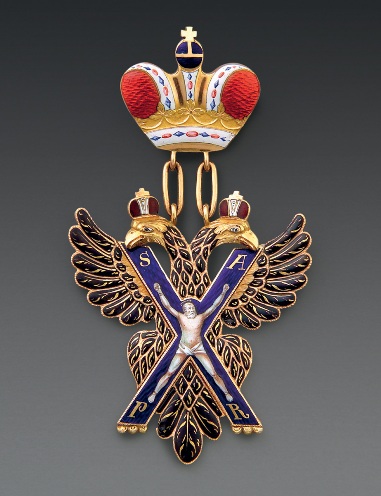 During an inheritance, it is likely that you discover a cross, a medal or a plate that had been attributed to one of your ancestors. These decorations are not mere memories, which often we do know what to do except put them in a drawer, some are worth a small fortune and are sought by collectors. » More
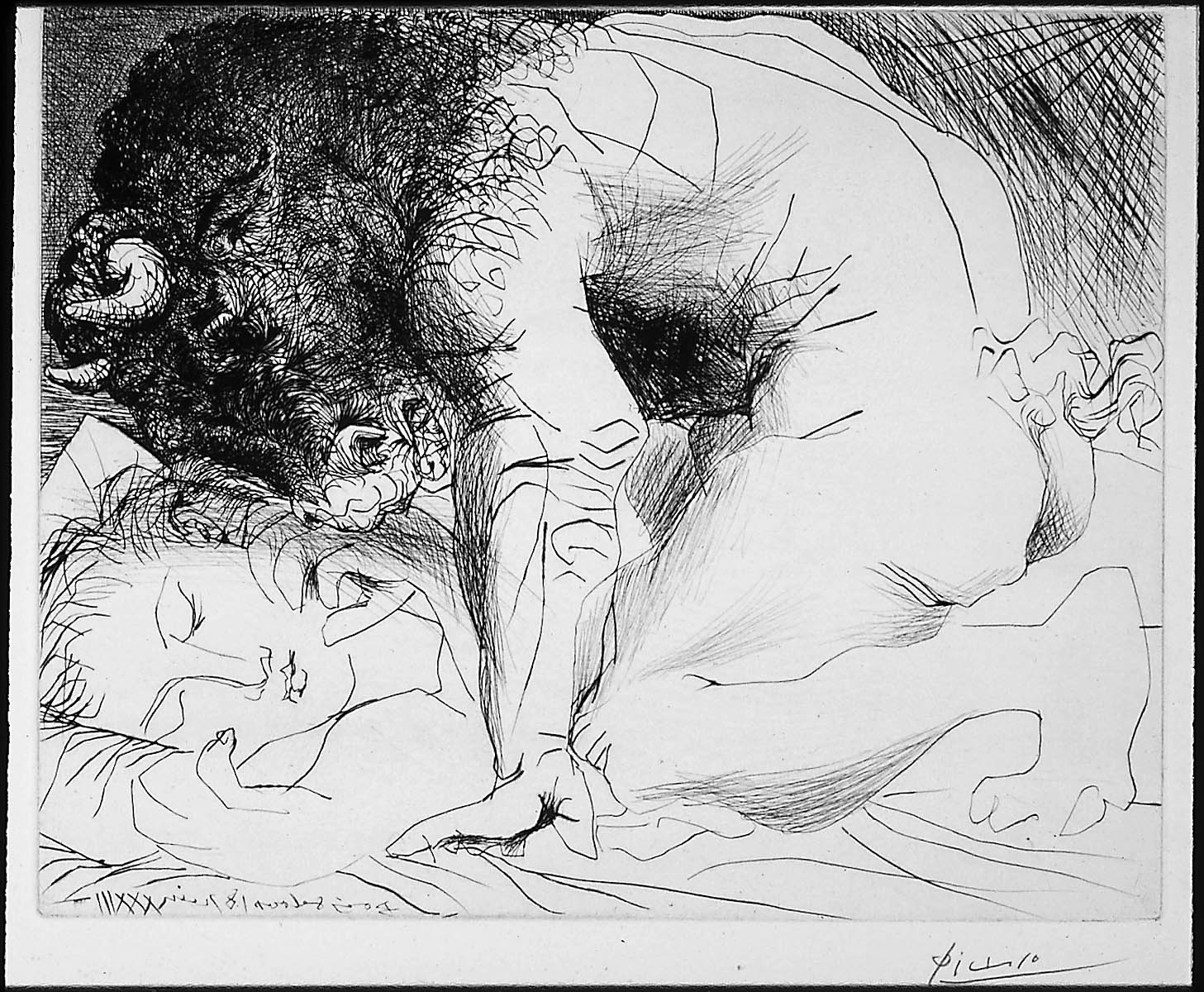 Carnal passion, ancient myths and creative act, the "Vollard Suite" explores the most personal themes of Picasso. This set of 100 etchings of genius of the 20th century called "Suite Vollard" always excites the market.
Ambroise Vollard
» More
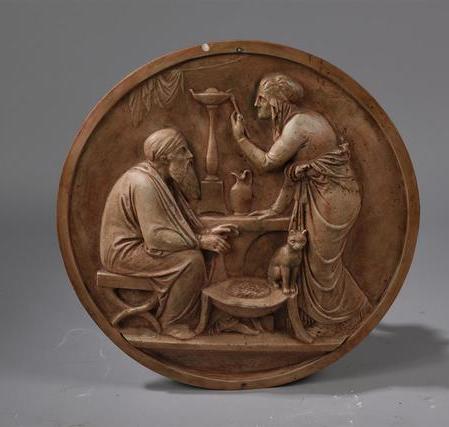 Prints, old masters paintings, antique busts, rococo consoles, more than 700 items will be auctioned. The estimates are reasonable, everything is for sale, and we must empty the warehouse.
On 8 and 10 March, the auctioneer Philocale assisted by our specialists in sculptures, works of art and furniture will sell a large collection of prints, old masters and modern paintings, sculptures, furniture and works of art.
We present below our favorite heart.
From the same collection, the 718 lots have a common theme, Italy and the Grand Tour. » More
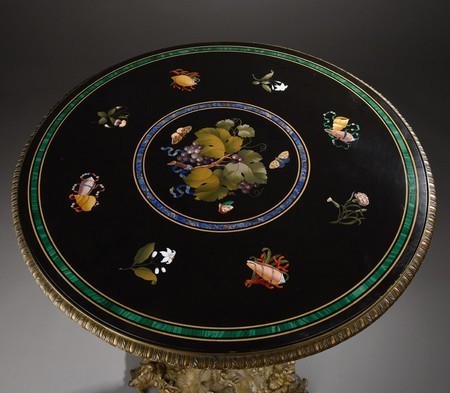 You find that your saving account is not giving you a good return. You wish to invest in art. We selected three objects on sale soon, the rarity and quality make them very good investments.
1 / An English embroidery, "Paradise on Earth"
» More

 Saturday, January 30, the auctioneer Philocale will auction old masters, Orientalist and modern paintings, furniture, clocks and works of art. Discover some favourites from our specialist.
Lot 20, an Orientalist painting by Yvonne Thivet, « L’oasis ».
Our oil on panel was painted by Yvonne Thivet (1888-1972), one of the few women from the Orientalist movement. Sold with an important Orientalist frame and measuring 60 cm high by 80 cm wide, our modern painting is estimated between 1,500 and 2,000 Euros.
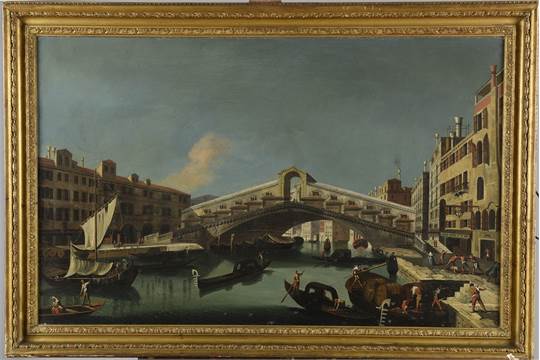
 Lot 76, an old master painting « Le pont du Rialto à Venise », from the studio of William James.
Our painting, an oil on canvas was painted in the studio of William James (1730-1780), sold with a beautiful molded , carved and gilded frame, it is estimated between 5,000 and 8,000 Euros. Note especially its large dimensions, 61 cm high and 97 cm wide.
Main illustration
Lot 112, an Empire clock estimated between 800 and 1,200 Euros.
Our clock in ormolu is an allegory of fidelity with putto and dog. From the Consulat period just before the Empire style, it is an unusual model.
 Lot 119, an important pair of marble carved feet table.
In the Italian Renaissance style, they are estimated between 5,000 and 7,000 Euros. Our bases are inspired directly from marble tables produced in Italy during the sixteenth century and especially the Farnese table today in the Metropolitan Museum in New York which was realized after the drawings of Giacomo Barozzi da architect Vignola (1507-1573).
 Informations:
» More
Man Ray
Published : November, 10 2015
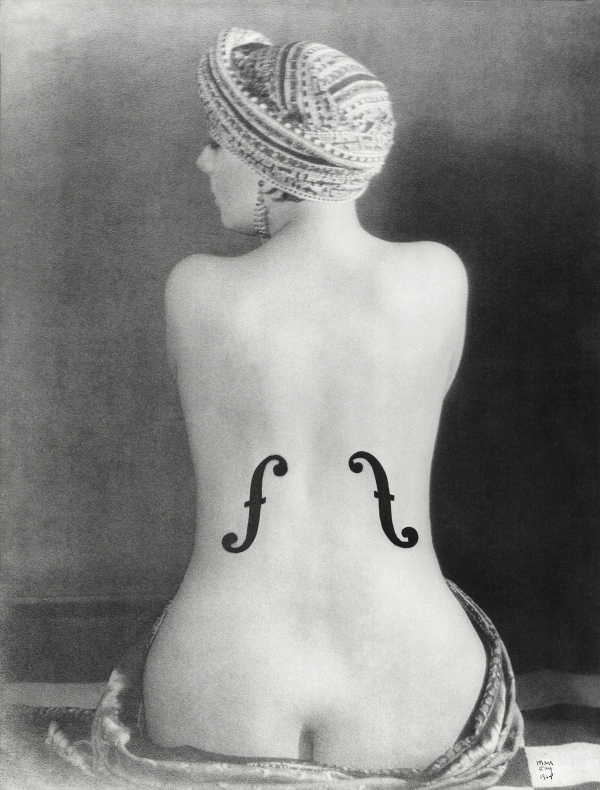 The inventiveness in the photo does not date Instagram or Photoshop. In the 20s and 30s, the artist Man Ray, close to André Breton and Marcel Duchamp took part in revolutionizing photography as art. His most famous pictures as Le Violon d'Ingres, or Black and White is now grub up at hundreds of thousands of pounds!
A diaphanous face, a mask of ebony, one horizontal and one vertical, one stylized serenity. Photo Black and White, was published in Vogue magazine in 1926. This perfect oval, like an object posed, these large eyes closed and this small well-shaped mouth, the Kiki de Montparnasse face, artist, muse and lover of Man Ray. Echoing him, an African mask, and a culture which fascinates the avant-garde of that time. An inventive portrait making it a particularly sought after work.

Black and white. Courtesy of Christie's
» More
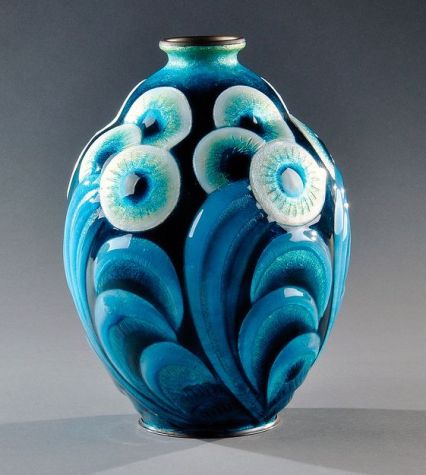 At the dawn of the 20s, the production of Limoges enamels, fallen into abeyance in the late nineteenth century, is experiencing a new boom in the person of Camille Faure (1874-1956). Brilliant entrepreneur, he was able to grab spirit of the times in its active workshops from 1920 to 1980.
His beginnings
» More
|